
Plan every shipment cycle before it becomes urgent.
Recurring shipments give you a strong demand signal, but skips, churn, sign-ups and changing box contents still move the numbers. Pinto turns subscriber changes and box plans into component-level demand and supply plans before each shipment cycle.
- Plan box contents and add-on assortments.
- Forecast demand for each shipment cycle.
- Balance component supply and channel commitments.
Why recurring demand still needs active planning
The subscriber count keeps moving
Sign-ups, skips and cancellations change the box count after buying has started. Plan to last month’s number and you end up short in one cycle and long in the next.
Every box depends on every item
A box ships only when all its items are in. One late component can hold up an entire cycle.
Add-ons and ecommerce draw on the same stock
Subscription boxes, add-ons and ecommerce sell from one pool. Without clear priorities, the boxes come up short.
Connect subscriber demand to inventory readiness
Pinto plans each cycle from subscriber forecast to packed box, and puts leftover stock to work.
Recurring demand forecasting
Forecasts subscription demand from sign-ups, skips, cancellations and cycle timing.
Cycle-level planning
Plans each shipment cycle down to every box variant.
Box and component planning
Turns each box plan into item-level requirements for every shipment cycle.
Inventory for upcoming boxes
Reserves stock for upcoming boxes, so add-ons and ecommerce sell only what’s left.
Procurement and replenishment
Plans purchases around each cycle’s requirements, supplier lead times and minimums.
Shortage and substitution risk
Spots component gaps before boxes are packed, and proposes substitutes or alternative supply.
How Pinto handles it.
An illustrative decision Pinto prepares, and the question it brings to your team.
- What happened
- A promotion added 6,000 sign-ups, and 40% chose the new body-care box variant.
- What Pinto found
- The March cycle now needs 188,000 boxes. Hand cream is 4,200 units short, and the supplier can’t ship in time.
- What Pinto recommends
- Swap in body lotion for 4,200 boxes, using 9,000 units left over from January, and raise April’s hand cream order by 6,500.
- Business impact
- Every March box ships on time, and January’s leftover stock goes to work instead of aging.
Already running on OnePint.
Replaced spreadsheet reconciliation across millions of monthly shipments with near real-time, channel-level inventory visibility.
Read the story →Built for the way your products are sold.
Pinto plans each subscription model on its own terms.
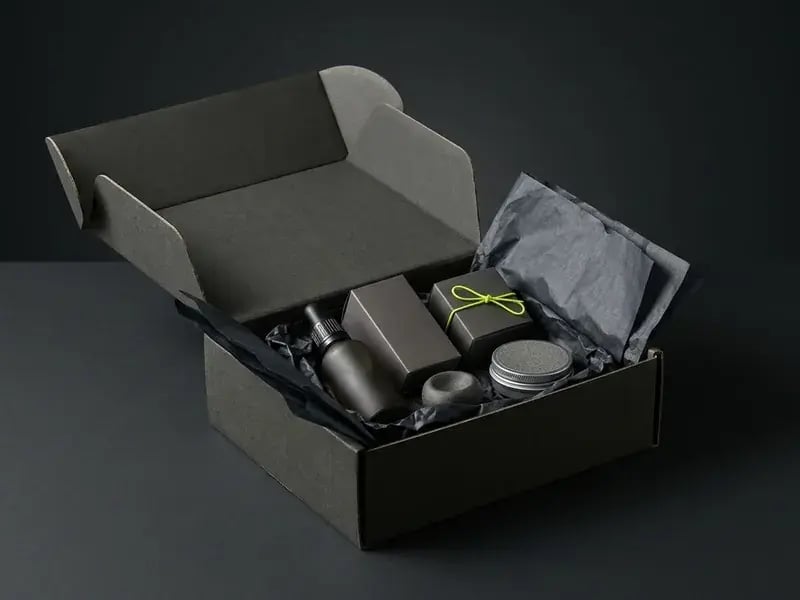 Curated boxesA new mix of products every cycle.
 Replenishment subscriptionsThe same products, refilled on a schedule.
 ConsumablesFood, coffee and everyday goods with shelf-life limits.
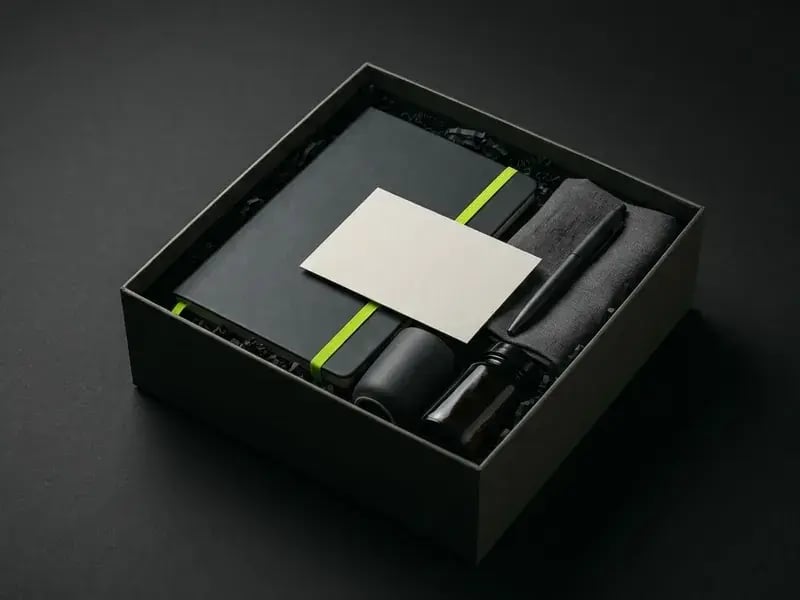 Personalized subscriptionsBoxes built for each subscriber from their profile.
Subscription Commerce planning, answered.
How does Pinto forecast subscription demand?
Pinto forecasts each cycle from active subscribers, sign-ups, skips and cancellations, then breaks it down by box variant, so you know how many boxes to build before buying starts.
How does Pinto turn a box plan into component buys?
Pinto turns each box plan into item-level requirements, nets them against stock and inbound orders, and recommends what to buy and when. You approve the plan before anything is ordered.
Does Pinto work with our ERP, ecommerce and warehouse systems?
Yes. Pinto connects to systems such as NetSuite and Shopify, alongside your connected warehouse systems, and plans from the product, sales and inventory data they hold.
Pinto’s recommendations use the product, sales, inventory and channel data you connect.
Your existing systems, planned as one.
Pinto brings together the data in your ERP, commerce and warehouse systems, so forecasts and supply plans start from the same numbers.
Connects to systems such as NetSuite and Shopify, alongside your connected warehouse systems.
What subscription commerce teams rely on most.
Four Pinto Experts work together on every shipment cycle. Open any one to see how it handles the decisions in your business.
- 01Demand ForecastingForecasts that explain themselves, and flag the ones they’re unsure of.
- 02Supply PlanningFrom the final forecast to purchase orders, transfers and allocations, within your budget and rules.
- 03Inventory Intelligence & ATPKnows what every channel can really sell, and fixes bad inventory data as it arrives.
- 04Risk & AlertsSpots stockouts and excess before they happen, and tells you which ones matter.