
Make every inventory investment count.
High unit values, long-tail demand and many combinations of size, metal and finish make jewelry inventory hard to balance. Pinto plans collections and price points, forecasts slow-moving demand and shows what you can promise from every location, so capital stays in the pieces customers want.
- Plan collections across designs and price points.
- Forecast long-tail demand and variant needs.
- Protect high-value inventory and customer availability.
When every piece carries a meaningful cost
Slow pieces tie up capital for months
High-value designs can sit for a long time between sales. Without a clear view, cash stays locked in stock that isn’t moving.
Variants split already-thin demand
Sizes, metals, stones and finishes create many SKUs that each sell a few units a year. Planning each one by hand is guesswork.
Availability spans every location
A piece may be in a store, at the warehouse or on order. If online can’t see it, the sale is lost or the promise is wrong.
Balance availability with working capital
Pinto keeps high-value inventory working, from the collection plan to the promise you make a customer.
Collection and price-point planning
Recommends designs, metals and price points for each collection, balancing breadth with inventory investment.
Design and variant forecasting
Forecasts demand by design, size, metal and finish.
Long-tail demand planning
Plans slow, irregular sellers with forecasting built for infrequent sales.
High-value inventory planning
Recommends how deep to stock each piece and where, so capital goes to what sells.
Supplier and procurement planning
Plans purchases around supplier lead times, minimum order quantities and component availability.
Inventory visibility and ATP
Promises from eligible store, warehouse and inbound stock, with dates customers can rely on.
How Pinto handles it.
An illustrative decision Pinto prepares, and the question it brings to your team.
- What happened
- Demand is shifting from $3,000-plus statement pieces toward everyday fine jewelry at $800 to $1,500.
- What Pinto found
- $420K sits in six slow statement designs with more than a year of cover. Three everyday designs sold out twice this quarter.
- What Pinto recommends
- Pause reorders on the six slow designs, move them to the two stores where they still sell, and reorder the three everyday designs in their top sizes.
- Business impact
- Shifts about $150K of next quarter’s buying toward the designs that are selling.
Already running on OnePint.
Implemented available to promise and better sourcing decisions across stores and online.
Read the story →Built for the way your products are sold.
Pinto plans each part of a jewelry and accessories business on its own terms.
 Fine jewelryHigh-value pieces where every unit ties up capital.
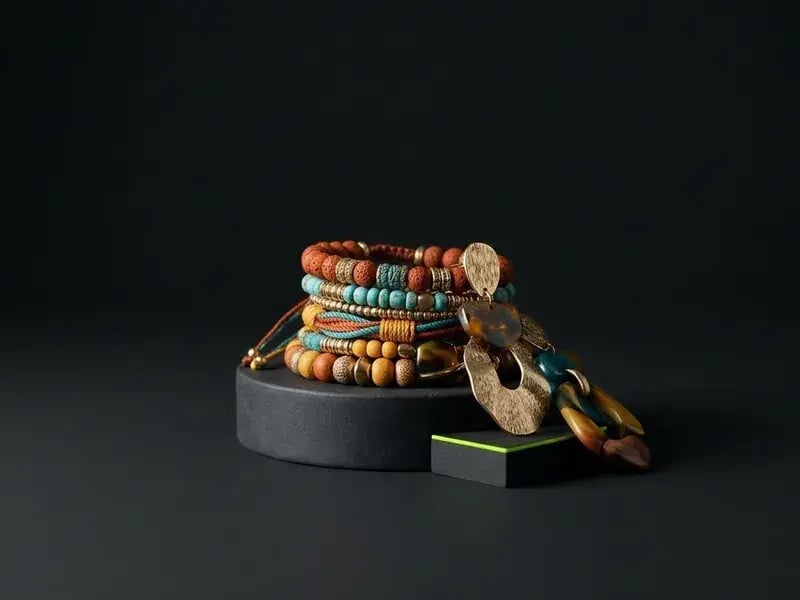 Fashion jewelryTrend-led styles with fast turns and many variants.
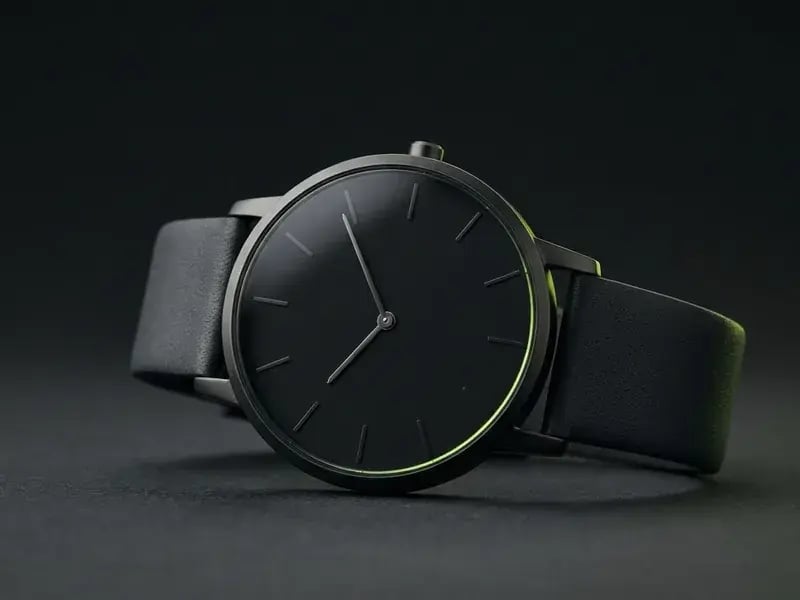 WatchesConsidered purchases with long sales cycles.
 AccessoriesBags, belts and sunglasses that follow the season.
Jewelry & Accessories planning, answered.
How does Pinto forecast slow-moving jewelry?
Pinto uses forecasting built for infrequent sales, at the design and variant level, so a piece that sells a few times a year still gets a realistic plan.
How does Pinto decide what to reorder and where to hold it?
Pinto weighs each piece’s forecast, current stock and supplier lead times, then recommends what to reorder, how deep, and which locations should carry it.
Does Pinto work with our ERP, ecommerce and warehouse systems?
Yes. Pinto connects to systems such as NetSuite and Shopify, alongside your connected warehouse systems, and plans from the product, sales and inventory data they hold.
Pinto’s recommendations use the product, sales, inventory and channel data you connect.
Your existing systems, planned as one.
Pinto brings together the data in your ERP, commerce and warehouse systems, so forecasts and supply plans start from the same numbers.
Connects to systems such as NetSuite and Shopify, alongside your connected warehouse systems.
What jewelry & accessories teams rely on most.
Four Pinto Experts work together on every collection. Open any one to see how it handles the decisions in your business.
- 01Assortment PlanningChoose the product mix and variants to offer, then connect those choices to demand and supply plans.
- 02Inventory Intelligence & ATPKnows what every channel can really sell, and fixes bad inventory data as it arrives.
- 03Demand ForecastingForecasts that explain themselves, and flag the ones they’re unsure of.
- 04Supply PlanningFrom the final forecast to purchase orders, transfers and allocations, within your budget and rules.